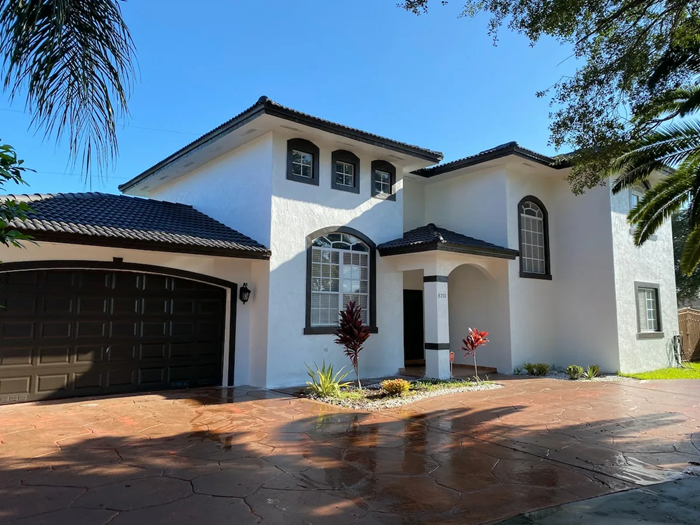
Delivery dates for Miami homes are determined by multiple stages: from site selection and design to inspections and utility connections.
It’s important for buyers to understand that the construction schedule in South Florida depends not only on budget and square footage, but also on regulatory procedures, seasonality, and soil conditions.
Typically, “delivery” refers to obtaining final permits and documentary evidence of the property’s readiness for occupancy. In practice, deadlines can vary for different types of properties: single-family homes, townhouses, and small condominiums undergo different approvals and are subject to varying dependencies on material supplies and labor availability.
What influences deviations from stated dates?
The stated delivery date is an estimate and should be based on a realistic plan. The risk of deviations is higher if the project is launched “just before” a bad weather season or if the contract does not specify the order of changes and the responsibilities of the parties.
- Seasonality and weather: Heavy rains, tropical storms, and hurricanes slow down excavation work, roofing, facades, and logistics.
- Material supplies: Long lead times for windows, generators, transformers, HVAC equipment, and elevators (for multi-apartment projects).
- Changes to the design: Any changes after the start of work require re-approvals and can stop related processes.
- Staff workload: A shortage of qualified crews and queues for specialized contractors.
- Inspections and bureaucracy: Delays in scheduling inspections and issuing final documents.
To reduce the likelihood of deadline slippage, it’s helpful to agree on milestones, stage acceptance procedures, and change control policies in advance. It’s also important to have an experienced general contractor in Miami coordinate the project, maintain a schedule, document work dependencies, and manage communication between designers, contractors, and inspectors.
A practical approach to deadlines is a transparent schedule with a buffer, secured by contract terms and supported by regular progress reports. The more detailed the stages and responsibilities are outlined, the higher the chance that the delivery of a Miami home will go according to plan and without any delays at the finish line.
Summary: How Delivery Timelines and Predictability Vary in Miami
When assessing delivery timelines, it’s important to look not only at the stated date but also at the project structure: how many stages there are before the Certificate of Occupancy (CO) is issued and the keys are handed over, what work is tied to city inspections and utility connections, and where the likelihood of adjustments is highest.
Key Differences by Housing Type
- Condominium: the longest and most complex cycle due to the height, engineering systems, elevators, fire safety, façade work, and phased inspections; Completion deadlines are more likely to fluctuate due to the volume of work, inspections, and completion of common areas.
- Townhouse: Typically a more predictable schedule than a condominium, as there is less engineering complexity and less reliance on vertical work; however, delays are often related to the readiness of community infrastructure (roads, lighting, landscaping, common areas) and final inspections throughout the complex.
- Detached House: Deadlines are more dependent on the specific site (geology, drainage, zoning restrictions), the chosen design, and changes during construction; the risk of delays is higher with custom designs, custom materials, and non-standard engineering solutions.